Confirm the joint and governing document first
End preparation follows the joint design. A butt-weld joint, socket-weld fitting, mechanical coupling, thread or plain cut end needs a different description. Start with the approved piping specification, drawing and joining procedure. Do not choose a bevel from a catalogue image.
ASME B16.25 covers preparation of butt-welding ends of piping components for joining into a piping system. It includes requirements for bevels and preparation of internal and external shaping for heavy-wall components. The project designer still has to select the applicable joint and any additional fabrication requirements.
ASTM A312 provides a product specification for austenitic stainless steel pipe, including seamless pipe within its scope. It does not turn a general purchase phrase into a complete joint design. Cite both product and end-preparation bases where the project uses them.
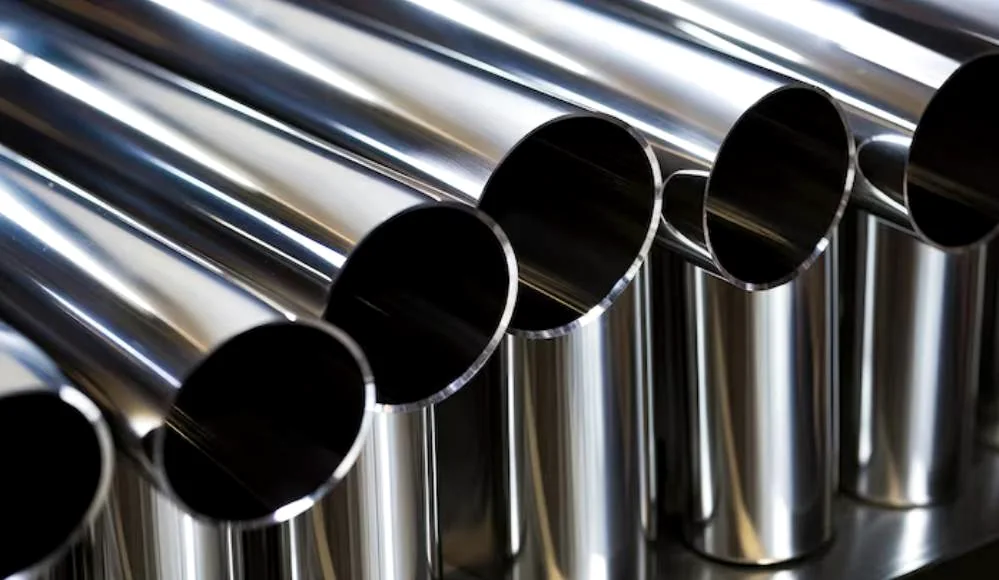
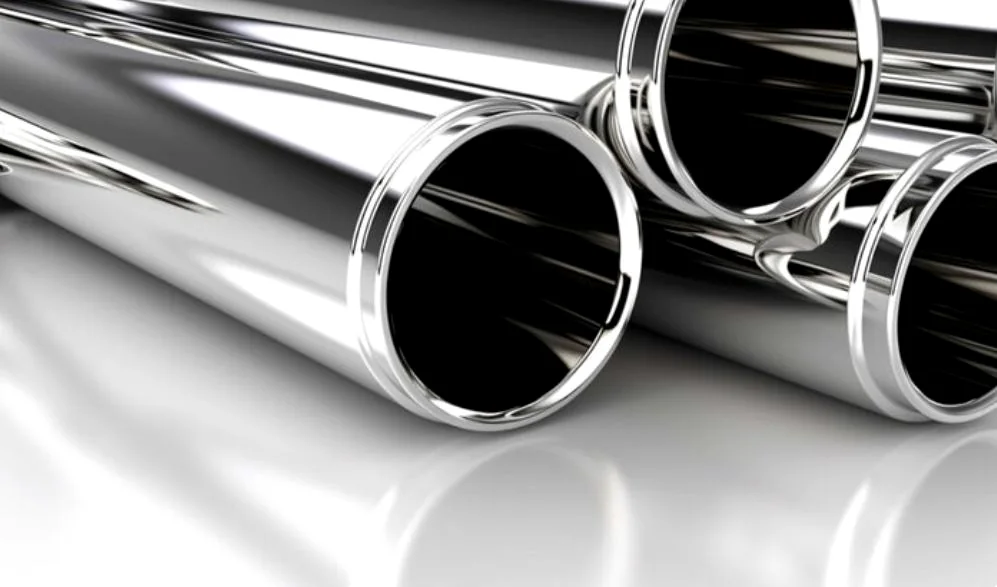
Separate mill ends from final cut ends
Pipe may be supplied in mill lengths, cut to ordered lengths or further fabricated. The end condition can change at each step. A mill end accepted for stock may not be the final end that enters an automated welding station.
Write down who makes the last cut. When fixed lengths leave the supplier, the cut-list row can carry the measuring points, allowed cutting method, squareness check and burr note. When a spool shop will machine the joint later, buying an elaborate finish upstream may simply buy metal that the shop removes.
That distinction is often lost between a material order and a fabrication order. One job pays for bevels twice; another reaches the weld bay with raw ends and no time allowance. The seamless tubing cut list guide provides a place to link each daughter piece to its parent length and intended end state.
Describe bevel geometry with controlled dimensions
A bevel note works well as a small controlled sketch. Show the angle, the root face (sometimes called the land), the bore work and the transition used by the approved joint. Copy the drawing vocabulary so the shop does not have to translate it.
Schedule does not finish that sketch. It identifies a wall series for a nominal pipe size; it does not tell the machinist exactly what to leave at the end. Actual wall readings and their allowed spread can matter during fit-up.
An orbital or mechanized setup may be unforgiving of a slanted face. Let the approved welding package say how square and repeatable the ends must be. Procurement can copy those numbers into the RFQ, complete with units and drawing revision, instead of accepting “machine-ready” as a specification.

Address internal mismatch and heavy-wall transitions
Fit-up can be affected by actual inside diameter, wall variation and component mismatch. A nominal schedule does not guarantee identical bores across different product sources or components. If the design requires internal tapering, counterboring or another transition, show it on the controlled detail.
Heavy-wall transitions deserve an engineer’s mark-up: metal is being removed at the joint, and a handy online diagram is no substitute for the project detail. The relevant piping code, ASME B16.25 and the approved weld design provide the proper route.
List only the end dimensions checked before release. If angle, land, bore or squareness goes on the report, the order should also say how many ends are checked and how the reading is taken. Otherwise the buyer may receive numbers that cannot be reproduced.
Look at the end before it disappears under a cap
After machining, inspect while the end remains exposed. Chips hide at the bore edge; cutting fluid collects inside; a dirty bench transfers iron. If the service has a formal cleanliness class, cite it. If it does not, describe the observable condition and name the person who signs it off.
World Stainless offers background on cutting, machining, welding and cleaning. The shop note still needs concrete verbs: use the approved tooling, remove loose particles, carry out the named cleaning step, inspect, and cover the end.
For capped bores, note the moment of capping and the accepted cap design. Try the cap on the real preparation; it should neither bruise the land nor seal in water. High-cleanliness work may have its own bagging and cap-removal procedure, which takes precedence.
Preserve identity after cutting and end work
One parent length can become several pieces. If heat, lot or order-line traceability is required, define how identity transfers to each cut piece. The mark must remain readable and compatible with the material and end preparation.
Do not put a critical mark where machining removes it. Choose individual marks, tagged bundles or a cut map by asking what identity the receiver must recover after opening the bundle. The order supplies that answer, not a generic web page.
At packing, protect finished ends and keep different preparations separated. The seamless receiving inspection guide provides a destination check for identity, ends, visible condition and documents. Record damaged caps or exposed preparations before the package enters storage.
Add a practical end-preparation block to the RFQ
For each line item, enter:
Have the bidder price the chain openly—cut, machine, inspect, clean, mark and protect. Several steps appear on one finished end, but they consume different labor and may be split between parties.
Before award, set the quoted end beside the welding package and receiving sheet. Do the units agree? Is the same drawing revision named? Will receiving check what the supplier recorded? A thumbnail sketch attached to the order often settles these questions faster than another email thread. File that sketch with approved deviations.
- joint type and governing drawing;
- product standard and edition;
- size and wall basis;
- final length and measurement reference;
- plain, bevelled, threaded or other end type;
- bevel detail and internal transition if applicable;
- squareness, burr and cleanliness requirements;
- inspection method and sampling;
- identification transfer and record needs;
- cap or guard requirement; and
- permitted repairs and deviation approval.
Technical references
Questions buyers ask
Will seamless pipe arrive ready to weld?
Only if the order says so. Seamless describes the route used to make the pipe; it says nothing by itself about a final bevel. Name the end condition and the party that supplies it.
Is a standard bevel the same for every piping job?
No. The joint design, wall, component geometry, welding process and governing documents control the preparation. Cite the approved detail and edition.
Why specify end squareness?
An angled cut can create uneven root opening, poor fit-up or length variation around the circumference. Define squareness when the joint or fabrication equipment is sensitive to it.
Should bevel inspection be documented?
Only when the project requires a record. If documentation is needed, define the measured features, method, sampling, item identity and acceptance criteria before quotation.